
This is the best temperature for sleep, according to science

Clinically reviewed by Dr. Chris Mosunic, PhD, RD, MBA
If you’re tossing and turning at night, your room temp could be to blame. Learn the best temperature for sleep and 9 tips to adjust it for better rest.
Sometimes it can feel like you do everything “right” and still wake up feeling awful. Maybe you limited screen time before bed, read a paper book (rather than a tablet), and turned off the lights right on time. But still, you’ve spent half the night kicking off the covers, flipping the pillow, and wondering why sleep feels so elusive.
Stress and nighttime disruptions tend to get blamed for bad sleep, but sometimes the culprit is more straightforward: Your bedroom temperature. Sleep depends, in part, on your body’s ability to cool down, and a room that’s too warm can interfere with that process. This can make it harder to fall asleep and easier to wake up feeling restless.
Here’s what the research says about the best temperature for sleep, and how you can make your space more comfortable.

What is the best temperature for sleep?
Many sleep experts say that the best temperature for sleep for adults is between 60 to 67°F, as this range supports the body’s natural drop in core temperature in the evening. While personal comfort varies person to person, this window is consistently recommended.
A cool bedroom reduces the effort required for the body to cool itself overnight, but even small increases in bedroom temperature have been linked to lower sleep efficiency and changes in sleep stages. Which is why finding the temperature that works for you is so important.
What does science say about an ideal sleep temperature?
As part of the circadian rhythm, core body temperature naturally drops in the evening, signaling that it’s time for rest. In this way, sleep and body temperature are closely connected. The brain regulates this process by increasing blood flow to the hands and feet, allowing heat to escape and the core to cool. This cooling occurs in tandem with melatonin release and helps to initiate sleep.
When the bedroom is too warm, the body struggles to release heat. This can reduce time spent in slow-wave and REM sleep and increase the number of awakenings in the night. However, if your bedroom is too cold, your body must work to conserve heat, which can lead to muscle tension or subtle restlessness.
So it’s important to strike the right balance. You need a bedroom that is cool and comfortable. Not cold, and not hot.

How to get better sleep by adjusting the temperature: 9 tips
Improving your sleep doesn’t require a complete bedroom remodel or a full install of central A/C (unless you want to!). Sometimes a fan and a cracked window are enough. But since some experimentation may be required, here are a few ways to help you find your ideal sleeping temperature.
1. Set and test your thermostat with intention
Start with a bedroom temperature between 60 and 67°F (15.6 to 19.4°C), then fine-tune from there. Adjust by a degree or two for a few nights at a time and pay attention to how quickly you fall asleep, how often you wake up, and how you feel the next morning.
If energy costs are a factor, cool the room before bed and let it warm slightly before you wake. The first half of the night matters most, since that’s when deep sleep tends to happen. If you’re able to invest in a smart thermostat, it can help reduce energy costs over time by letting you cool the room before bed and set it to warm before your waking time.
Related read: 6 tips you need to create the best sleep environment
2. Improve airflow
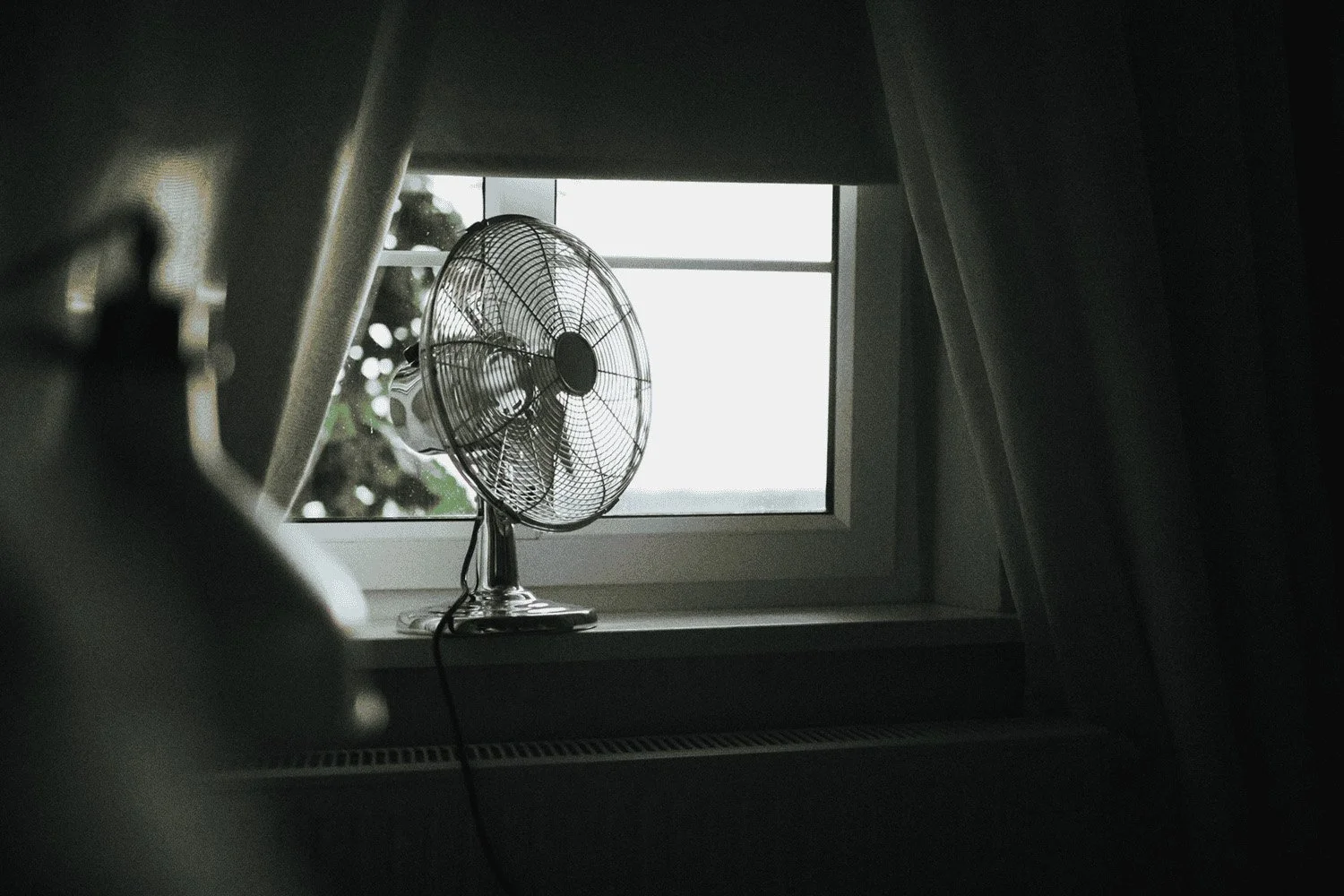
If you live in a building where you can’t control the thermostat, improving airflow can still help. A ceiling fan or standing fan can keep air moving around the bed and prevent heat from building up overnight. If it’s safe and the weather is mild, cracking a window can also help release trapped heat.
If you have central air conditioning, try moving furniture away from vents or anything that blocks airflow. Better air circulation will help your body cool down more easily.
💙 Help your body and mind settle in for sleep with a soothing Sleep Story like Little Women on Calm.
3. Choose breathable bedding and rotate seasonally
If you tend to sleep hot, your bedding may be part of the problem. Breathable fabrics like cotton, linen, and bamboo usually feel cooler than heavier, heat-trapping materials.
In summer, opt for those lighter fabrics. In winter, layering lighter blankets makes it easier to adjust if you get too warm in the middle of the night. And if night sweats are a regular issue, a moisture-wicking mattress protector or lighter duvet insert can help.
Related read: What is the best environment for sleep?
4. Layer your bedding
Layering is one of the simplest ways to personalize sleep temperature without adjusting the thermostat. Start with a breathable sheet, add a light blanket, and keep an extra layer folded at the foot of the bed.
This setup allows quick adjustments in the middle of the night with minimal disruption. For couples, using separate blankets can help if one partner sleeps hot while the other sleeps cold.
5. Take a warm shower before bed (we know it sounds counterintuitive)
A warm shower before bed can help your body cool down in a way that supports sleep. About 60 to 90 minutes before bedtime may work best, since the body starts releasing heat after you step out, which can help lower your core temperature.
Timing matters, though. If you shower too close to bed, it may feel more energizing than relaxing. If that happens, try shifting it earlier and see what feels best.
💙 As you settle in for bed, try a relaxing music experience like Chopin In The Rain on the Calm app.

6. Limit heat buildup in the bedroom
Bedrooms can hold onto more heat than you realize. Sunlight, lamps, and electronics all warm the space throughout the day, which can make it harder to cool it down at night. Turn off devices instead of leaving them on standby, and keep blackout curtains, shades, or blinds closed during the hottest part of the day to block excess heat.
Even if you don’t want to sleep with your windows open, during the cooler months, try opening them fully an hour before bed to release any heat that’s built up in the room during the day.
7. Wear light, breathable fabrics
What you wear to bed can affect how warm you feel overnight. Lightweight, breathable fabrics help release heat and manage sweat more comfortably than heavier or tighter options.
Some people sleep better in fewer layers, while others prefer loose, soft sleepwear in cotton or other moisture-wicking fabrics. The best choice is usually whatever feels light, non-restrictive, and easy to move in. If you wake up sweaty or overheated, it may be worth switching to something lighter.
8. Consider upgrading to a cooling mattress or topper
Cooling sleep products can help, especially if you naturally sleep hot. Mattresses, toppers, or bedding made with breathable latex, gel-infused foam, or other cooling materials are designed to hold less heat and feel more comfortable overnight.
Pillows matter, too. If you’re constantly flipping yours to find the cool side, a more breathable or ventilated pillow may help.
💙 Support your body to Soften Into Sleep with this guided meditation on the Calm app.
9. Support your body’s internal clock
Temperature is closely tied to your circadian rhythm, so a consistent sleep schedule can help your body wind down. Going to bed and waking up around the same time each day helps reinforce the natural drop in body temperature that supports sleep.
A few evening habits can help, too. Dimmer lights, lighter dinners, and less alcohol can all make it easier for your body to regulate temperature overnight. Alcohol may make you feel sleepy at first, but it can interfere with sleep later in the night, or make you feel flushed as your body processes it.
Read more: How to fix your circadian rhythm: 7 tips to get better sleep

What happens when your room is too hot or too cold?
If you feel uncomfortable in your sleep, there’s a chance your brain will become alert as a subconscious way to manage it. Even if you’re simply kicking off your blankets, your sleep is still getting disrupted. Here are a few other ways more extreme temps can mess with your sleep.
When your room is too hot
Heat commonly disrupts sleep by interfering with the body’s natural cooling process.
When the room is too warm, people often:
Take longer to fall asleep
Wake up more frequently
Spend less time in deep and REM sleep
Experience night sweats or dehydration
Feel groggy or unrefreshed in the morning
Sleeping in rooms in the mid-to-upper 70s°F and above (over 24°C) has been associated with more fragmented sleep. Warmer environments may also keep heart rate slightly elevated, making it harder to reach deeper stages of rest or feel relaxed.
When your room is too cold
Cold temperatures can be disruptive in other ways. If the body senses that it’s too cold, it shifts into heat-conservation mode.
That can lead to:
Muscle tension
Shivering or subtle restlessness
Difficulty fully relaxing
Waking early due to discomfort
A mildly cool room supports sleep, but an overly cold one forces the body to work to stay warm.

Best temperature for sleep FAQs
What are the benefits of an ideal sleep temperature?
An ideal sleep temperature helps the body fall asleep faster, stay asleep longer, and move more smoothly through deep and REM sleep.
Because the brain relies on a natural drop in core temperature to trigger melatonin and stabilize sleep cycles, a cool room supports this biological process rather than interrupting it.
Over time, better nighttime temperature regulation can improve mood, concentration, physical recovery, and overall sleep consistency.
How do I know if my room is the right temperature?
The body usually gives clear signals if your room temp is off. Frequent night sweats, kicking off blankets, waking up overheated, or feeling chilled and tense under the covers can all point to temperature issues.
Using a small room thermometer can help remove guesswork and confirm whether the space falls within the 60 to 67°F range.
If sleep feels restless most nights and there’s no obvious cause, try adjusting the temperature for a few days and track how you feel.
Does age or gender impact your ideal sleep temperature?
Yes, individual factors such as age and hormonal changes can influence temperature preferences. Older adults may prefer slightly warmer rooms because the body becomes less efficient at regulating heat over time.
Hormonal shifts related to menstruation, pregnancy, perimenopause, or menopause can also increase heat sensitivity or trigger night sweats. While the general recommendation of 60 to 67°F works for most adults, personal comfort within that range may vary by life stage and health factors. This is where using two blankets can help partners sleep more comfortably together.
What’s the best temperature for sleeping with a partner?
For couples, the best temperature for sleep is often on the cooler end of the recommended range, since two bodies generate more heat. A room set closer to 60 to 67°F can offset shared body heat and prevent overheating.
Practical adjustments, such as using separate blankets or choosing breathable bedding, can also help each person maintain comfort without disrupting the other.
Why should I avoid sleeping in a room over 76°F?
Rooms over 76°F are associated with more fragmented sleep and reduced time spent in deeper sleep stages. When the environment is too warm, the body struggles to lower its core temperature, which can delay sleep onset and increase nighttime wakings.
Elevated room temperatures may also keep heart rate slightly higher and reduce overall sleep efficiency. Keeping the room cooler supports the body’s natural nighttime cooling process and promotes more stable rest.
What temperature should a baby’s room be for sleep?
For infants, most experts recommend maintaining a room temperature between 68 and 72°F. Babies are more sensitive to overheating, and excess warmth has been linked to increased sleep safety risks.
A comfortably cool room, paired with lightweight sleep clothing and no loose blankets, helps support safe and steady sleep.
Do cooling mattresses or pillows really help?
Cooling mattresses, toppers, and pillows can help reduce surface heat and improve comfort, particularly for people who tend to sleep hot. Materials such as gel-infused foam, breathable latex, or phase-change fabrics are designed to disperse heat rather than trap it.
While these products can’t fully compensate for a warm room, they can limit heat buildup around the body and reduce the need to constantly flip pillows or adjust position. Even so, you’ll want to use them in a room that is a comfortable temperature for best results.
Calm your mind. Change your life.
Mental health is hard. Getting support doesn't have to be. The Calm app puts the tools to feel better in your back pocket, with personalized content to manage stress and anxiety, get better sleep, and feel more present in your life.

Images: Getty